Expert hair restoration for natural, lasting results
What is a hair transplant?
These follicular units are then carefully implanted into thinning or bald areas, recreating a natural-looking hairline and density while respecting the original direction and angle of the hair.
Unlike temporary solutions or cosmetic alternatives, a hair transplant uses the patient’s own hair, ensuring total compatibility, no risk of rejection, and long-lasting results. The transplanted follicles retain their resistance to hair loss, allowing patients to cut, style, and care for their hair without limitations.
Hair transplantation with the Insparya Method®
Innovation and technology combined for natural and permanent results.
Hair loss affects both men and women, impacting not just physical appearance but also emotional well-being. A hair transplant offers a natural-looking and lasting solution — and Insparya is at the forefront of this transformation.
With over 80,000 satisfied patients performed across 15 clinics in Europe and the Middle East, Insparya combines clinical excellence, exclusive technology, and patient-centered care to deliver optimal results.

Insparya Method® – FUE hair transplant
The Insparya Method® is our proprietary approach to hair transplantation, based on the FUE (Follicular Unit Extraction) technique, making it a more modern, faster and more effective transplant technique. This minimally invasive method allows precise harvestingand implantation of follicular units without visible linear scars or stitches.
Insparya takes this technique to the next level with BotHair UltraPlus® technology, an exclusive device designed to minimise follicle handling and maximise graft survival. This technology automates multiple stages of the hair transplant procedure, enhancing precision, reducing procedure time, and delivering consistently high-density, natural-looking results.
Hair transplant process
First medical evaluation
Comprehensive clinical assessment to evaluate the type and degree of alopecia, as well as the quality of the donor area
Treatment plan
Personalized based on alopecia type, hair goals and patient expectations.
Transplant day
Minimally invasive procedure under local anesthesia performed under our exclusive Insparya Method with BotHair UltraPlus Insparya.
Follow-up program
Includes medical consultations at 1, 3, 6, 12, and 18 months.
Visible results
Growth begins to show after 3-4 months; full results around 12-18 months.
Post-procedure
A hair transplant is a safe medical procedure, but like any clinical treatment, it requires proper care and specialized follow-up. At Insparya, our medical team closely monitors each patient throughout the recovery process, ensuring maximum safety, comfort, and peace of mind.
Expected post-surgery effects
In the first few days, it is common to experience mild swelling, redness, or the formation of scabs. You may feel slight discomfort, which can be easily managed with the prescribed medication.
Recovery and precautions
For the first 3-4 days, rest in a lying position, or reclining with your head back, in order to promote better drainage of the anaesthetic and an excellent recovery. Also, avoid wearing any headwear—such as hats or accessories.
Refrain from scratching your scalp for the first month, and protect your head from direct sunlight in the early days. Additional aftercare instructions will be clearly explained to ensure a safe and comfortable recovery for every patient.
Follow-up consultations
Day 1: Personalized follow-up call.
Day 4: Clinic visit and professional hair wash.
Months 1, 3, 6, 12, 18: Regular follow-ups to monitor progress and hair growth and promote treatments to the native hair, helping the prevention of continuous fall due to Androgenic Alopecia.
Hair transplants for women
Hair is an integral part of a woman's identity, profoundly influencing her self-esteem and overall well-being. Female hair loss often results from specific factors—ranging from hormonal imbalances and medical conditions to stress—that differ from those typically observed in men. For this reason, Insparya’s hair transplant procedures and treatment protocols are specifically designed for women, taking into account female hair loss patterns, desired hair density, and the unique physiological characteristics of women's hair.
We understand the deep personal significance behind each case, ensuring every hair transplant is adapted to meet the individual needs of our female patients.
Before and After
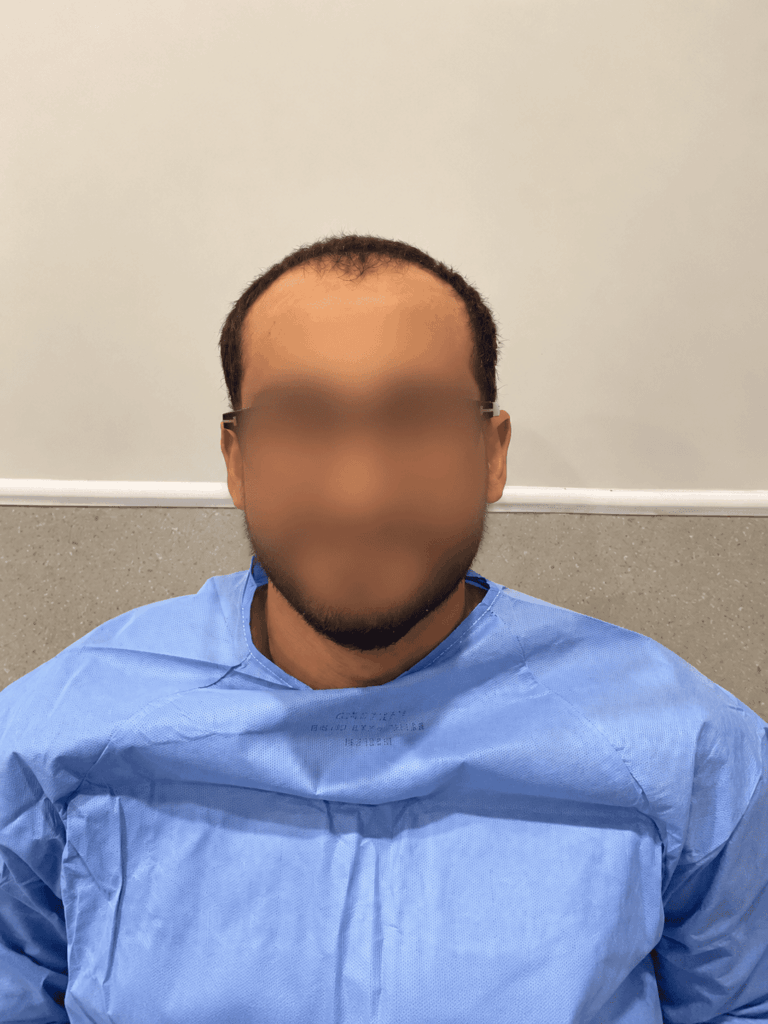
BEFORE
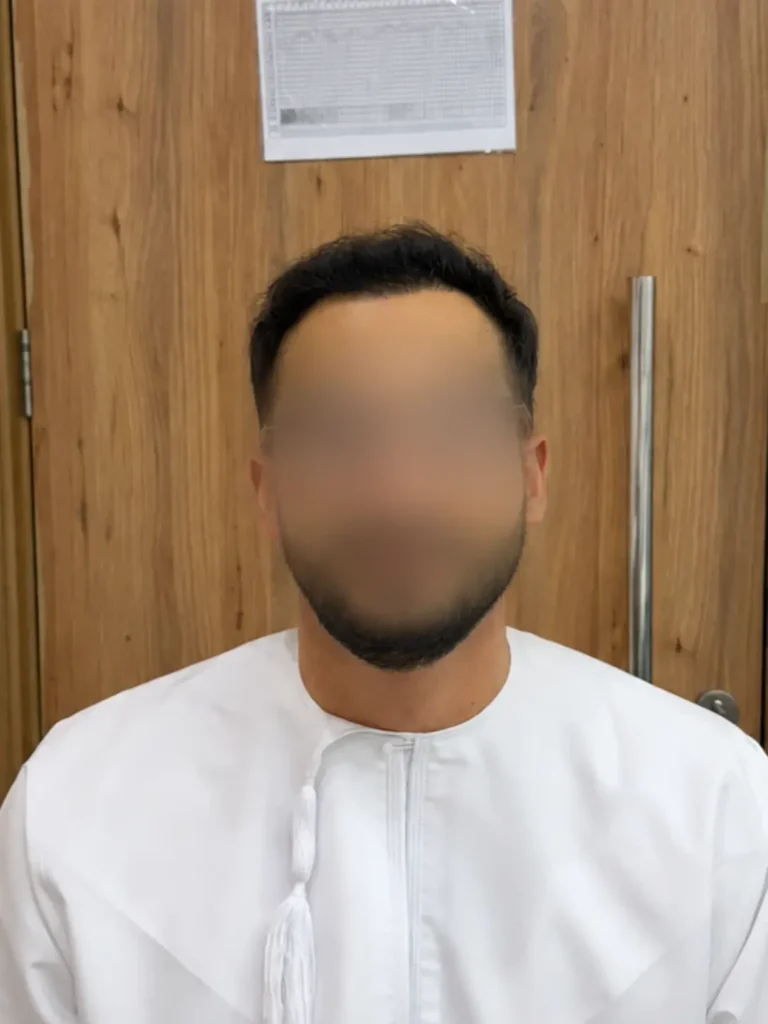
AFTER

BEFORE

AFTER
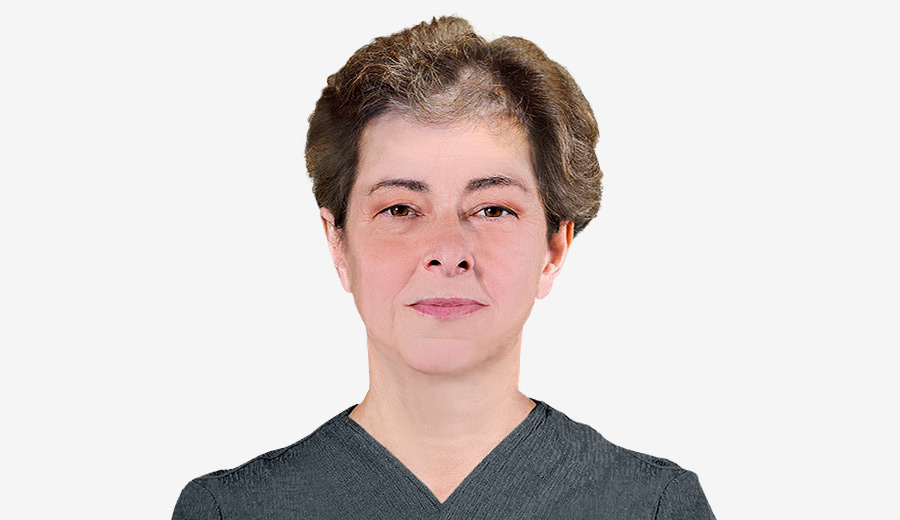
BEFORE
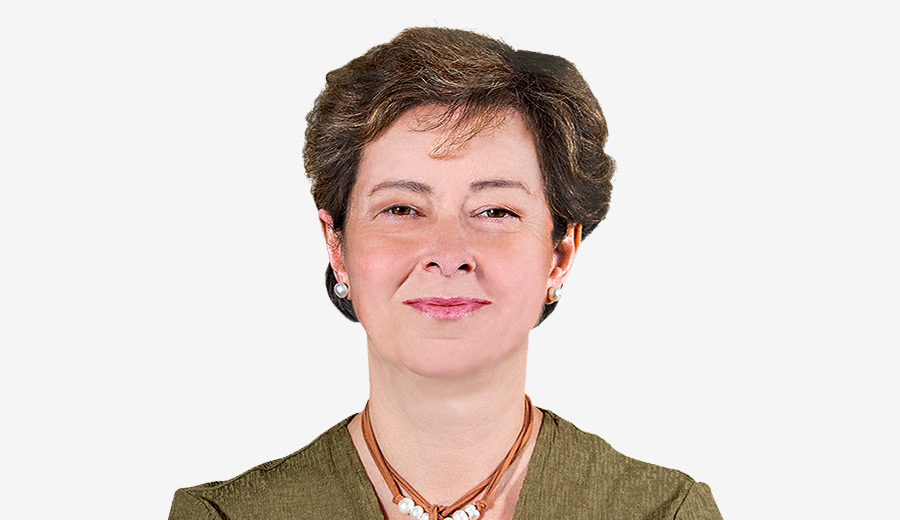
AFTER

BEFORE

AFTER

BEFORE

AFTER
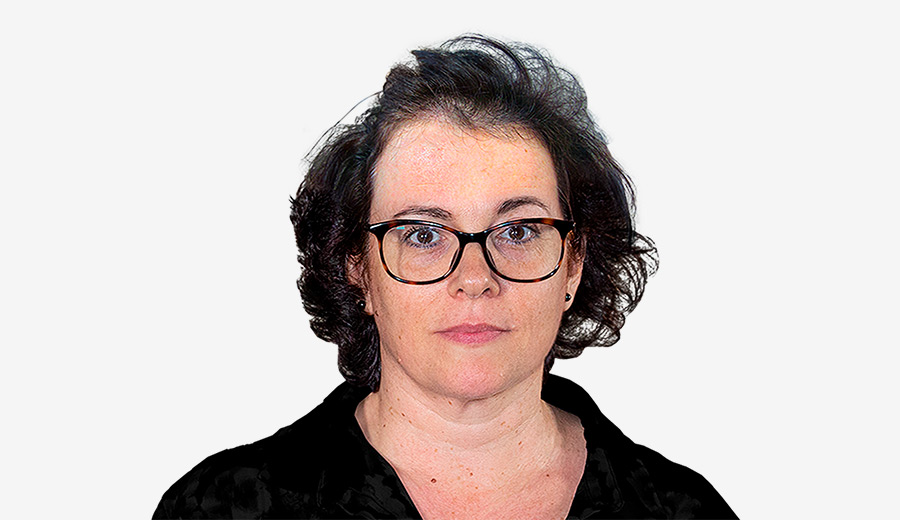
BEFORE
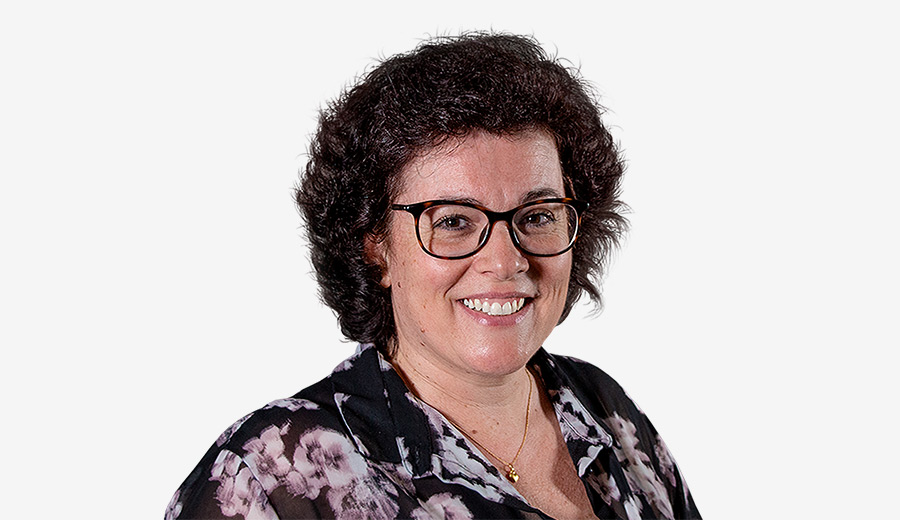
AFTER
FAQs
Are there any risks associated with the hair transplant?
Because both the donor and recipient areas are within the patient's own scalp, there are no systemic side effects or risk of rejection associated with a hair transplant. Healing typically completes within 3 to 4 days, allowing patients to return to their normal routines with minimal disruption.
How painful is the hair transplant?
Hair transplantation is a minimally invasive and painless procedure, after the effect of local anesthesia, under which it is performed.
When should I expect results?
The first changes become noticeable after around 3 months. The most visible results appear between 6 and 12 months. Final results are typically seen between 12 and 18 months.
How long do hair transplants last?
Hair transplantation provides long-lasting results and is currently the most effective clinical solution for hair loss. However, untreated areas may continue to experience hair thinning or loss and may require future care.
For patients who still retain their natural hair, we recommend complementary treatments to help preserve it. At Insparya, our specialists provide personalized consultations, ensuring that each patient receives the best possible care and long-term follow-up.
How much do hair transplants cost?
The cost depends on several factors, including the technique used, the extent of hair loss, hair density, and individual characteristics such as age, gender, and the type of hair loss. Your initial consultation includes a personalised medical assessment to determine whether the treatment is suitable for you.
What is the best age to do a transplant?
There is no specific age for a hair transplant. It can be performed from the age of 18 onwards (or even earlier in certain cases). The most common age range for men is between 30 and 40 years old. However, every case is unique. The best approach is to consult a specialist who can assess the type of hair loss and recommend the most appropriate treatment.
Are hair transplants possible without shaving the hair?
In most cases, shaving the donor area is recommended to facilitate the extraction process, allowing a greater number of follicular units to be harvested and subsequently transplanted. However, options such as a partial-shave hair transplant are also available, where only a small section is shaved and remains concealed—ideal for patients seeking a more discreet approach.
